Solar Water Pump: A Smart & Sustainable Water Pumping Solution
Solar water pumps are an efficient and eco-friendly solution for supplying water using energy generated from sunlight. They are widely used in agriculture, irrigation, livestock farming, residential water supply, and remote locations where reliable grid electricity may not be available.
What Is a Solar Water Pump?
A solar water pump is a water pumping system powered by solar energy instead of conventional electricity or fuel.
Solar panels generate electricity during the day, which powers the pump to draw water from sources such as wells, borewells, ponds, tanks, or other water bodies and deliver it where it is needed.
How Does a Solar Water Pump Work?
The working process is simple:
- Solar panels capture sunlight during the day.
- The panels convert sunlight into electrical energy.
- The generated electricity powers the solar water pump.
- The pump draws water from the available water source.
- Water is delivered to fields, storage tanks, livestock areas, or other required locations.
- The system can operate automatically based on available sunlight and system settings.
Key Components of a Solar Water Pump
Solar Panels
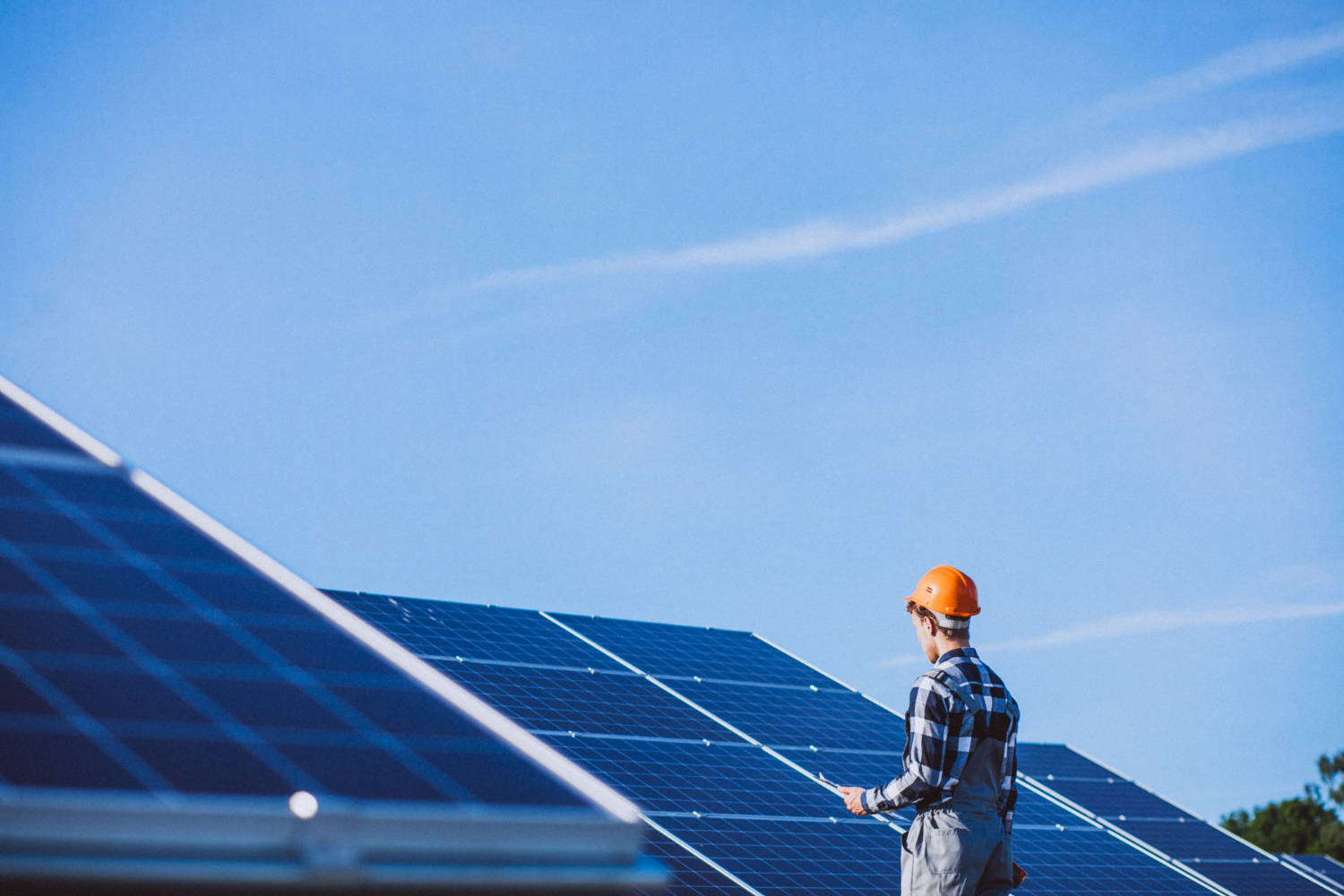
Solar panels generate the electricity required to operate the pumping system.
Solar Pump
The pump uses the generated solar power to move water from the source to the required destination.
Pump Controller
The controller manages the power supplied to the pump and helps optimize system performance.
Water Storage Tank
A storage tank can be used to store pumped water for use when required.
Mounting Structure
A strong mounting structure keeps the solar panels securely positioned for effective sunlight exposure.
Benefits of Solar Water Pumps
Reduce Electricity & Fuel Dependence
Solar water pumps use sunlight as their primary energy source, reducing dependence on grid electricity or diesel-powered pumps.
Lower Operating Costs
Once installed, solar energy can help reduce recurring fuel and electricity expenses associated with water pumping.
Eco-Friendly Solution
Solar pumping uses renewable energy and avoids the direct emissions associated with conventional diesel pumps.
Ideal for Agriculture
Farmers can use solar water pumps for irrigation without depending entirely on conventional power sources.
Suitable for Remote Areas
Solar water pumping can provide access to water in locations where grid electricity is unavailable or unreliable.
Low Maintenance
Solar pumping systems generally have fewer fuel-related maintenance requirements compared with conventional diesel pumping systems.
Applications of Solar Water Pumps
Agricultural Irrigation
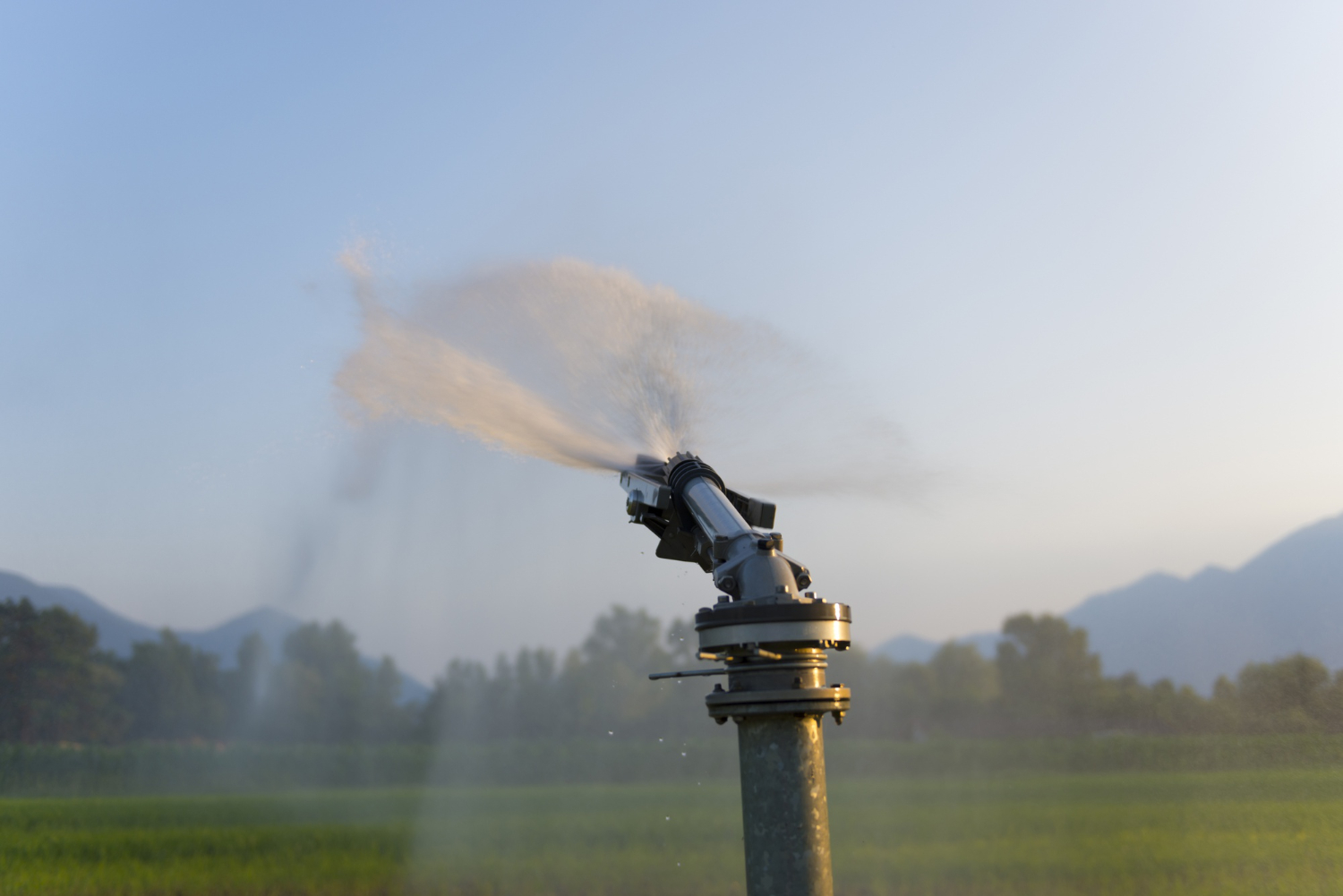
Solar water pumps can supply water for farms, fields, plantations, and drip or sprinkler irrigation systems.
Borewell Water Pumping
They can be used to pump groundwater from suitable wells and borewells for agricultural and other applications.
Livestock Water Supply
Solar pumping systems can help provide a dependable water supply for cattle, poultry, and other livestock operations.
Water Storage & Distribution
Water can be pumped into elevated or ground-level storage tanks and distributed when required.
Rural Water Supply
Solar water pumping is useful for rural communities and locations where conventional electricity infrastructure is limited.
Residential Applications
Depending on the system size, solar pumps can also be used for household water supply and other small-scale requirements.
Solar Water Pump vs Conventional Pump
Conventional water pumps typically depend on grid electricity or diesel fuel. Solar water pumps use energy generated from sunlight, making them particularly useful in areas with good solar availability.
Solar pumping can help reduce ongoing energy costs while providing a more sustainable approach to water management.
How to Choose the Right Solar Water Pump?
Before selecting a solar water pumping system, consider:
- Required water quantity
- Water source and depth
- Required pumping head
- Daily water requirement
- Solar panel capacity
- Pump type and capacity
- Irrigation method
- Storage tank requirements
- Installation location
- Available sunlight
- System warranty and after-sales support
Choosing the correct pump and solar panel capacity is important for achieving reliable water flow and efficient system performance.
Power Your Water Needs with Solar Energy
Solar water pumps combine renewable solar power with efficient water pumping technology to provide a dependable solution for irrigation, agriculture, livestock, and water supply.
Whether you are looking to pump water for a farm, fill a storage tank, or supply water in a remote location, a properly designed solar water pumping system can help you save energy, reduce operating costs, and move toward sustainable water management.
Pump Water. Save Energy. Go Solar.
Choose a solar water pumping solution designed around your water requirements and take a smarter step toward sustainable water management.